
Romanticism
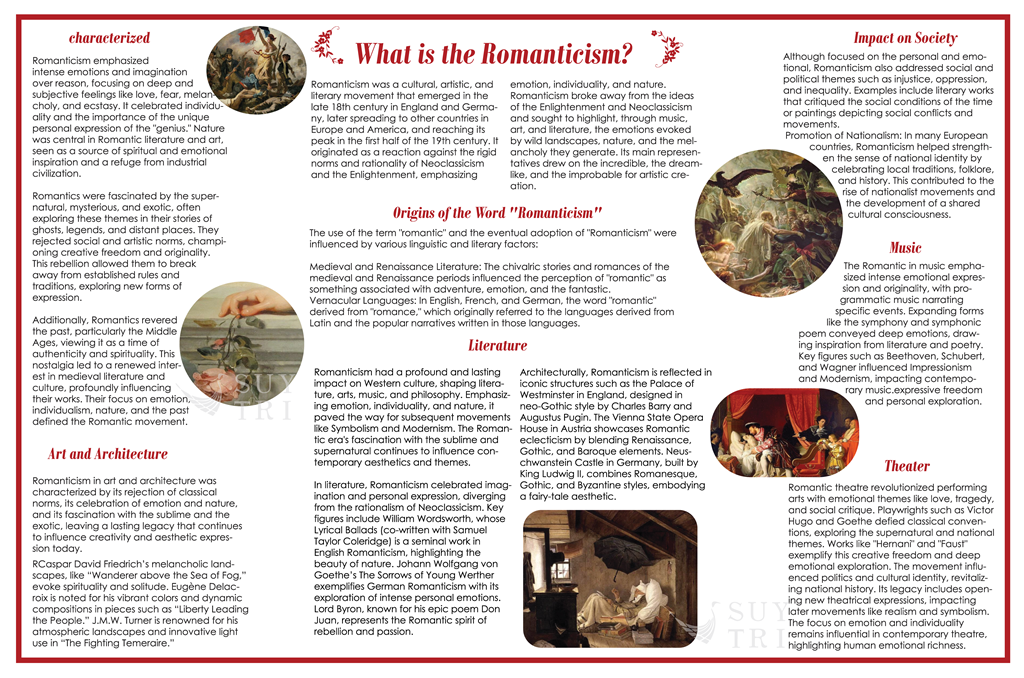
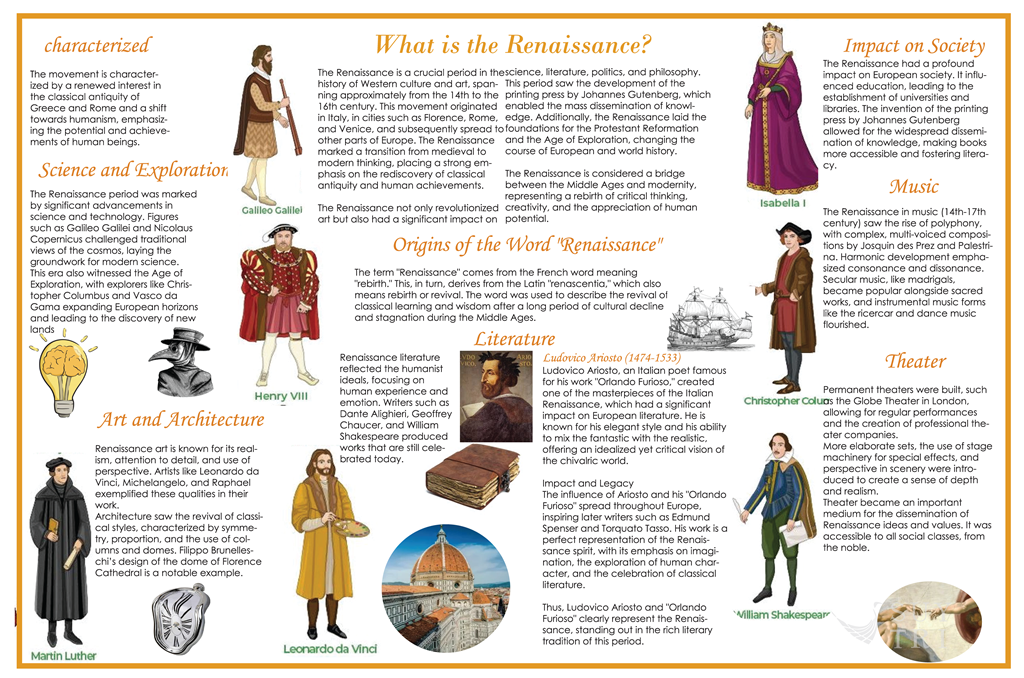
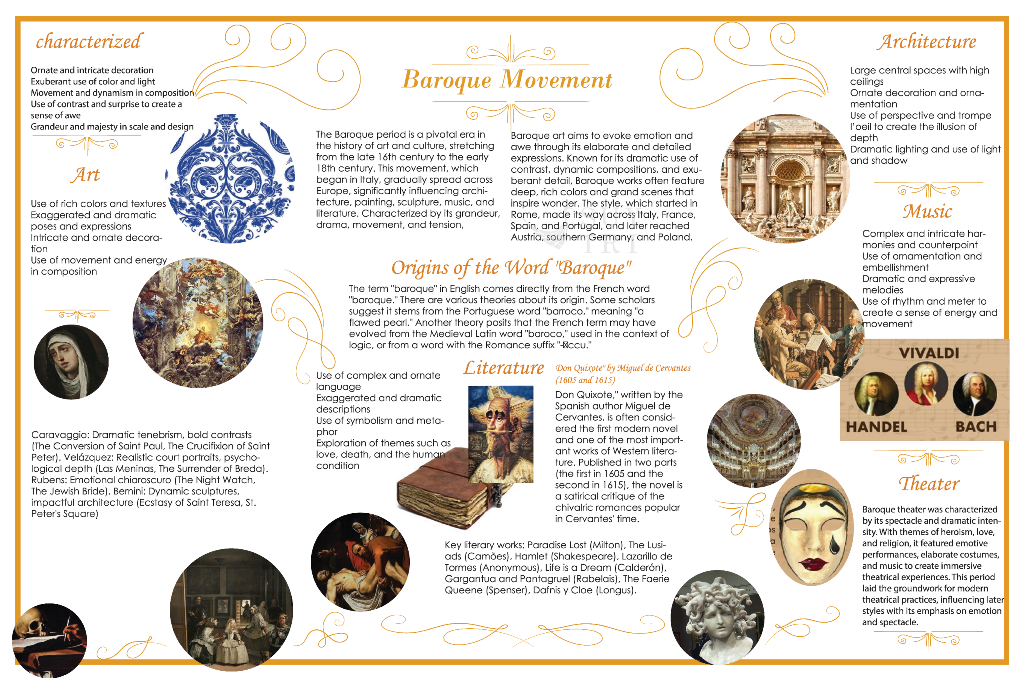
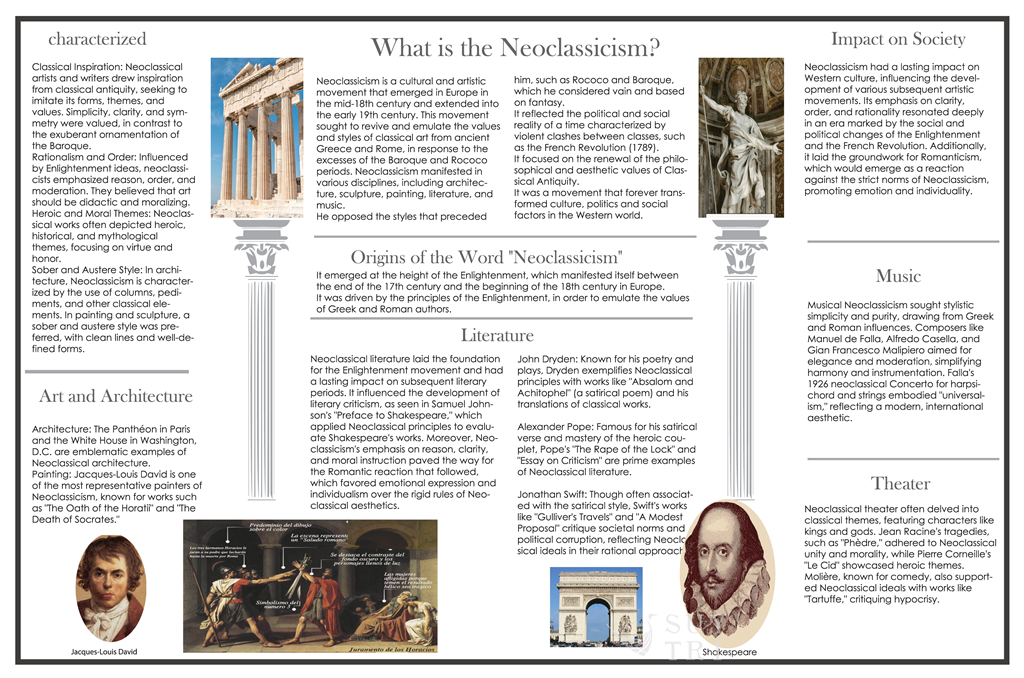
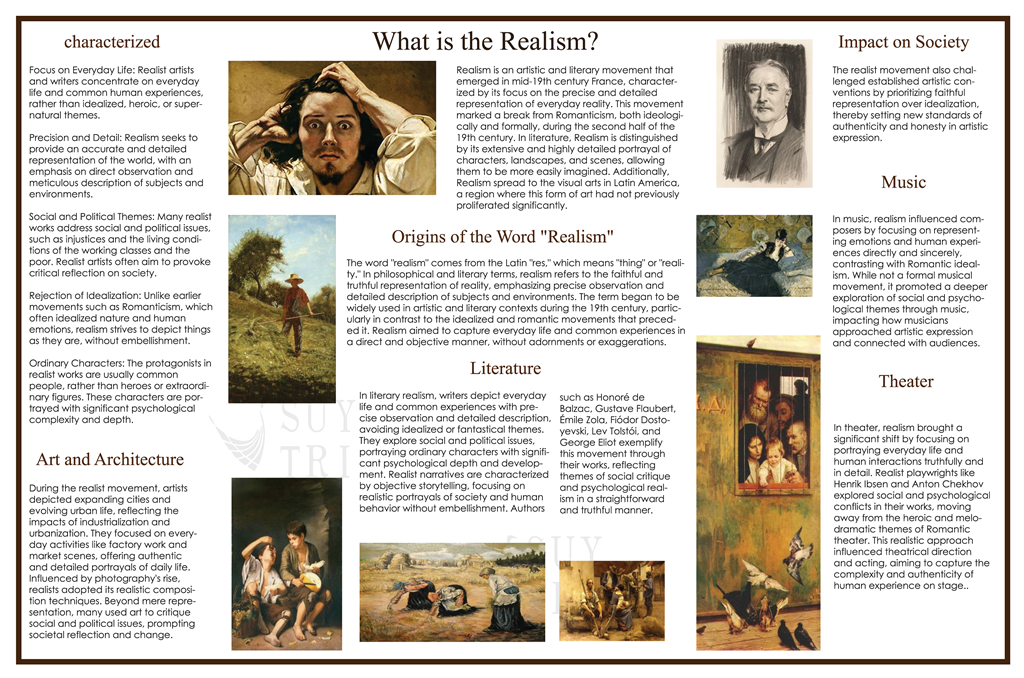
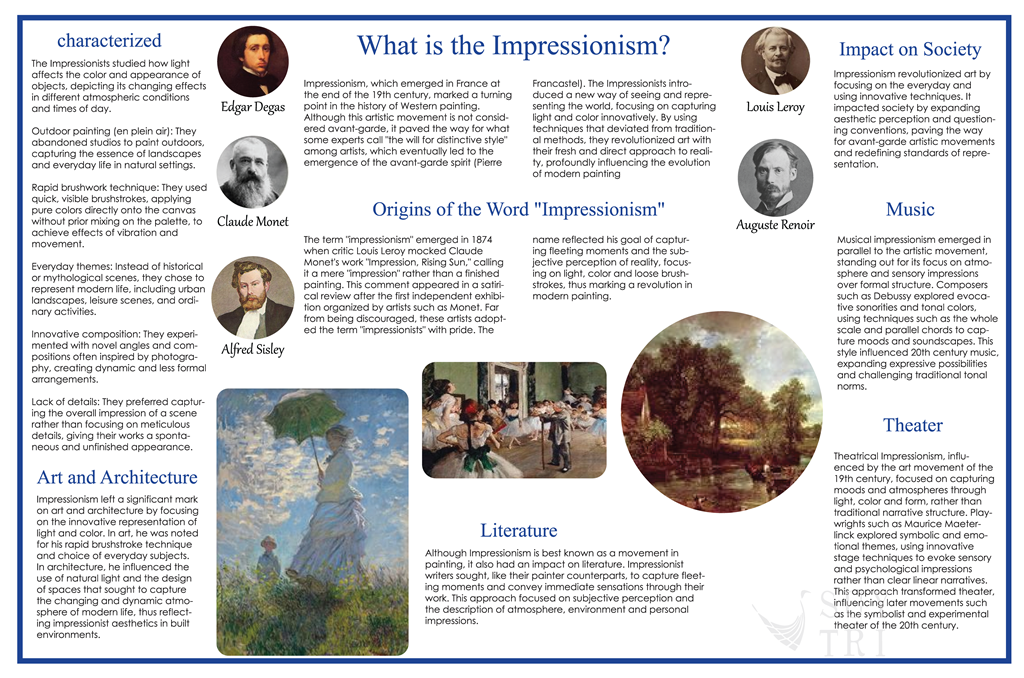
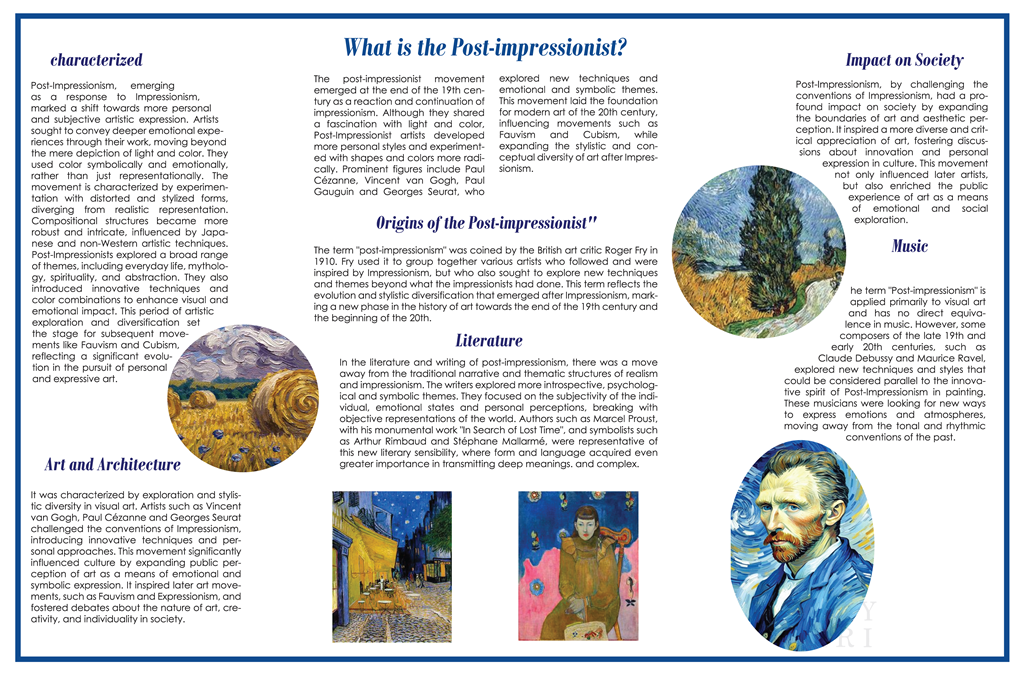
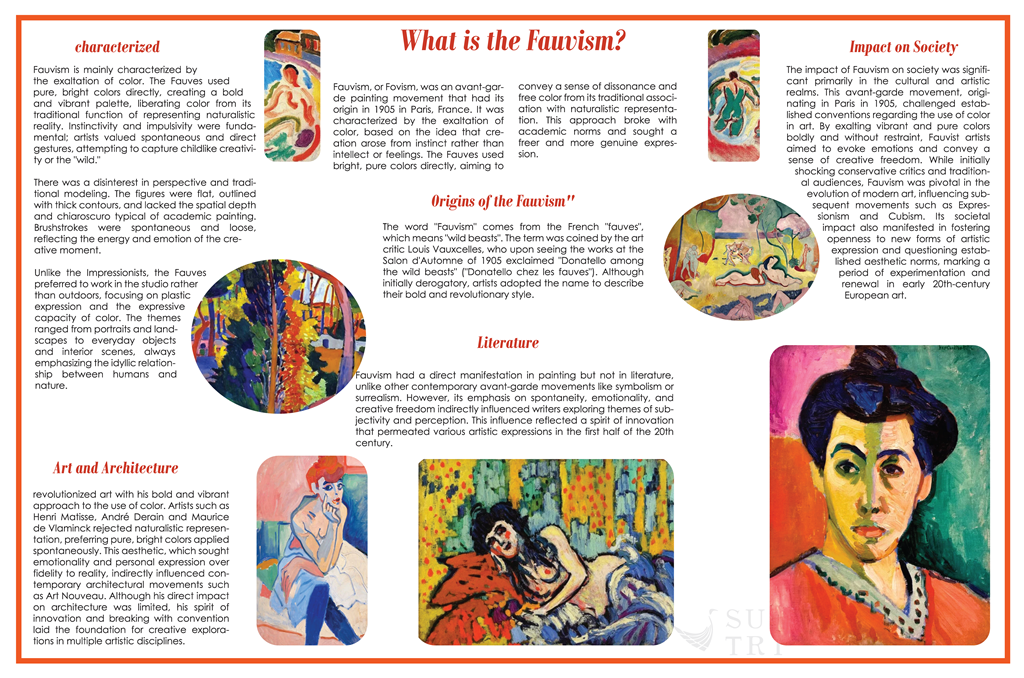
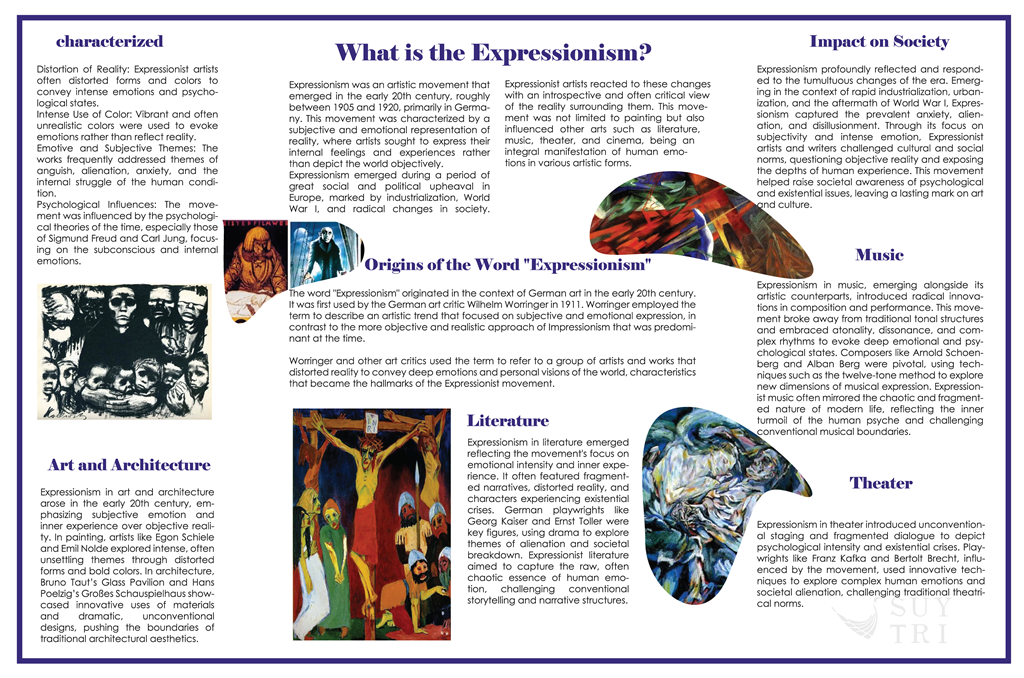
Hello, dear art lovers! Today we’ll dive into the captivating world of Romanticism, a movement that broke conventions by celebrating emotions and creative freedom. Let’s imagine a time when artists sought to convey the sublime beauty of nature and the drama of the human heart. Get ready to discover how Romanticism invites us to feel and dream with every brushstroke.
Goya was a revolutionary figure in Romanticism, known for his intense, often haunting depictions of human suffering and societal issues. His bold use of color and dramatic themes made him a pivotal force in expressing the darker side of human nature.
- El 3 de mayo de 1808 (1814)
- Los caprichos (1799)
- La maja desnuda (1797-1800)
Delacroix is celebrated for his vivid, dynamic compositions and his mastery of color. His passionate and dramatic works epitomized the Romantic spirit, capturing the intensity of historical and exotic subjects with unparalleled emotion.
- La libertad guiando al pueblo (1830)
- El asesinato de los idílios (1824)
- Las mujeres de Argel en sus apartamentos (1834)
Friedrich was a key figure in Romantic landscape painting, known for his evocative, atmospheric scenes that explored the sublime beauty of nature. His work often reflects deep philosophical and spiritual themes, inviting viewers to ponder their place in the world.
- El caminante sobre el mar de nubes (1818)
- La abadía en el robledal (1809-1810)
- El mar de hielo (1824)
Ingres, though often associated with Neoclassicism, embraced Romantic ideals through his focus on sensuality and dramatic intensity. His detailed and emotionally charged portraits and historical scenes highlight his skill in capturing the essence of his subjects.
- La gran odalisca (1814)
- El retrato de la señora Moitessier (1856)
- El baño turco (1862)
Turner was a master of capturing the sublime power of nature and the effects of light. His turbulent, atmospheric landscapes convey the Romantic fascination with nature’s grandeur and the forces of the sublime.
- Lluvia, vapor y velocidad (1844)
- El barco de esclavos (1840)
- El delirio de los campos de batalla (1818)
Canova was a leading sculptor of the Romantic period, celebrated for his refined marble sculptures that combined classical forms with emotional expressiveness. His works captured the beauty and drama of the human form with exceptional skill.
- Psique reanimada por el beso de Cupido (1787-1793)
- Venus de Medici (1812)
- Perseo con la cabeza de Medusa (1804-1806)