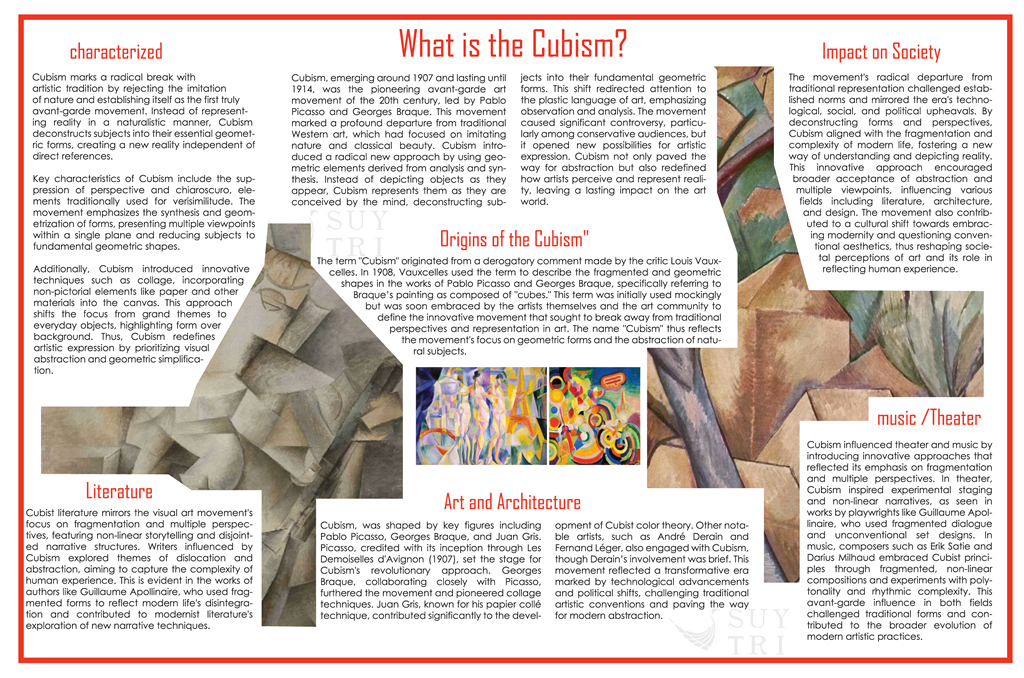
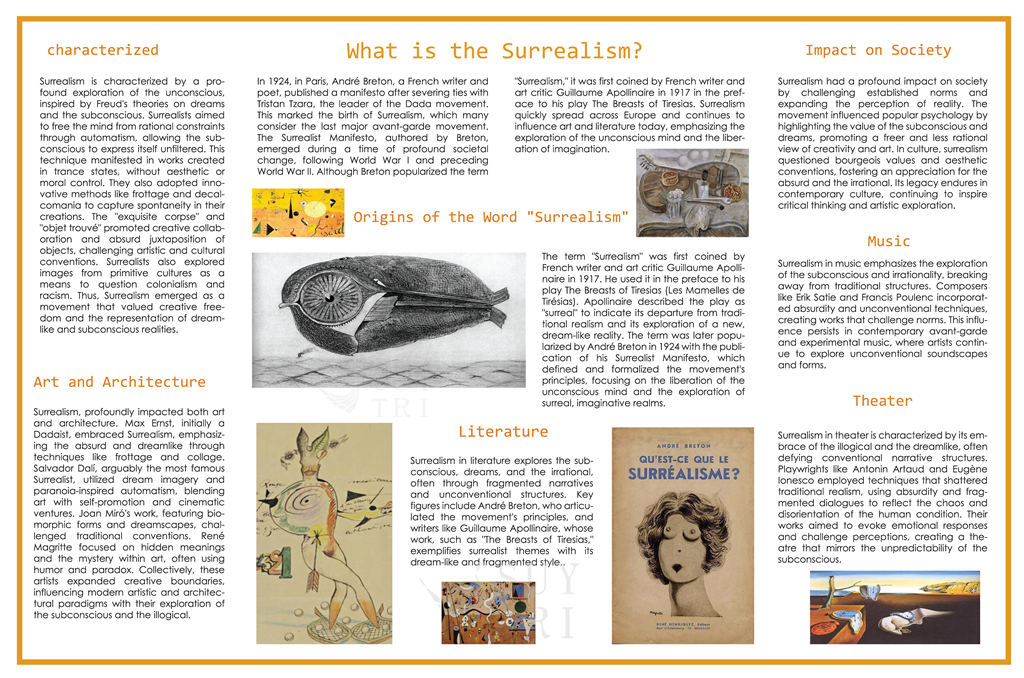

post-impressionism
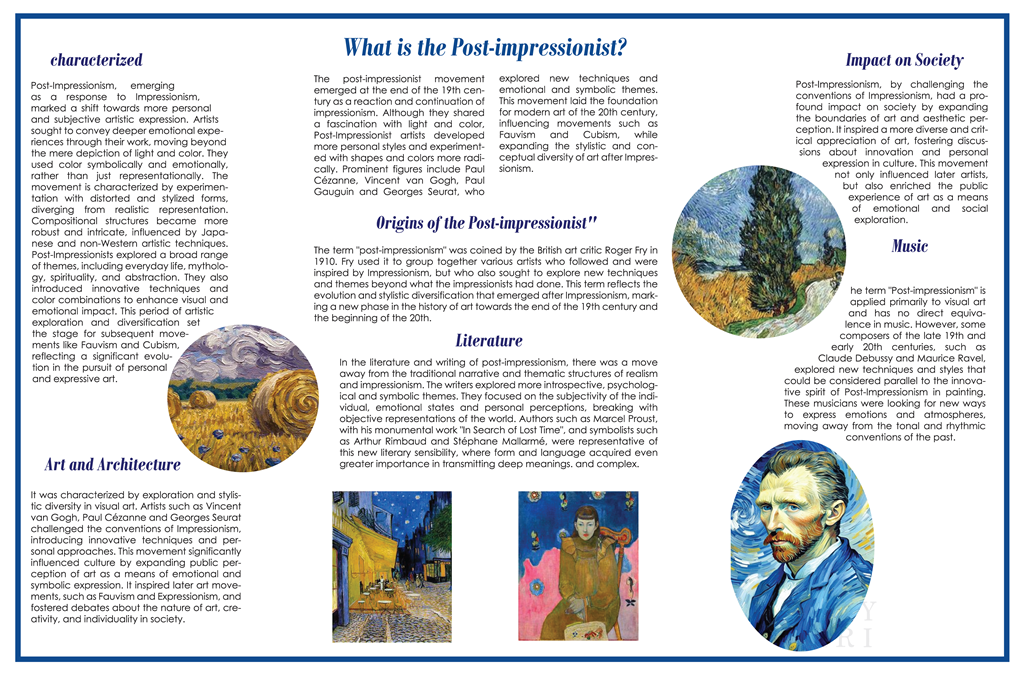
Hello, art enthusiasts! Today we venture into the fascinating world of Post-Impressionism, a movement where artists explored new forms and colors to express their deepest emotions. We will discover how these visionaries broke away from Impressionist conventions, transforming the perception of art with their bold creativity and personal vision.
Van Gogh was a revolutionary artist who used bold colors and dramatic brushstrokes to convey deep emotions and personal turmoil. His vivid depictions of landscapes and scenes of daily life transformed the perception of art, making him a pivotal figure in Post-Impressionism.
- Starry Night (1889)
- Sunflowers (1888)
- Self-Portrait (1889)
Cézanne is celebrated for his groundbreaking approach to form and color, which laid the foundation for modern art. His meticulous studies of still life and landscapes sought to capture the underlying structure of the natural world, making him a key influence in Post-Impressionism.
- The Card Players (1894-1895)
- Mont Sainte-Victoire (1904-1906)
- Still Life with Apples (1895)
Seurat was a master of color theory and technique, developing Pointillism to capture light and form with scientific precision. His method of applying tiny dots of color created vibrant, luminous compositions that pushed the boundaries of traditional painting.
- A Sunday Afternoon on the Island of La Grande Jatte (1884-1886)
- Circus Sideshow (1890-1891)
- Bathers at Asnières (1884)
Gauguin's art is known for its bold use of color and symbolic content, reflecting his quest to escape Western civilization and explore the exotic. His works depict rich, emotive scenes from his travels, challenging conventional perspectives and enriching the Post-Impressionist movement.
- Where Do We Come From? What Are We? Where Are We Going? (1897)
- The Yellow Christ (1889)
- Vision After the Sermon (1888)
Toulouse-Lautrec captured the dynamic world of Parisian nightlife with a distinctive style that combined vivid colors and bold lines. His depictions of cabaret performers and bohemian life offered a unique, engaging view of the social scene during the Belle Époque.
- Moulin Rouge: La Goulue (1891)
- At the Moulin Rouge (1892-1895)
- Jane Avril at the Jardin de Paris (1893)
Bernard was influential in developing Symbolism and Post-Impressionism, using vivid colors and flattened forms to express emotional and spiritual themes. His innovative approach to painting helped pave the way for future avant-garde movements.
- The Almond Tree (1888)
- Breton Women in a Meadow (1888)
- The Calvary at Ploumanac'h (1886)