Abstractism

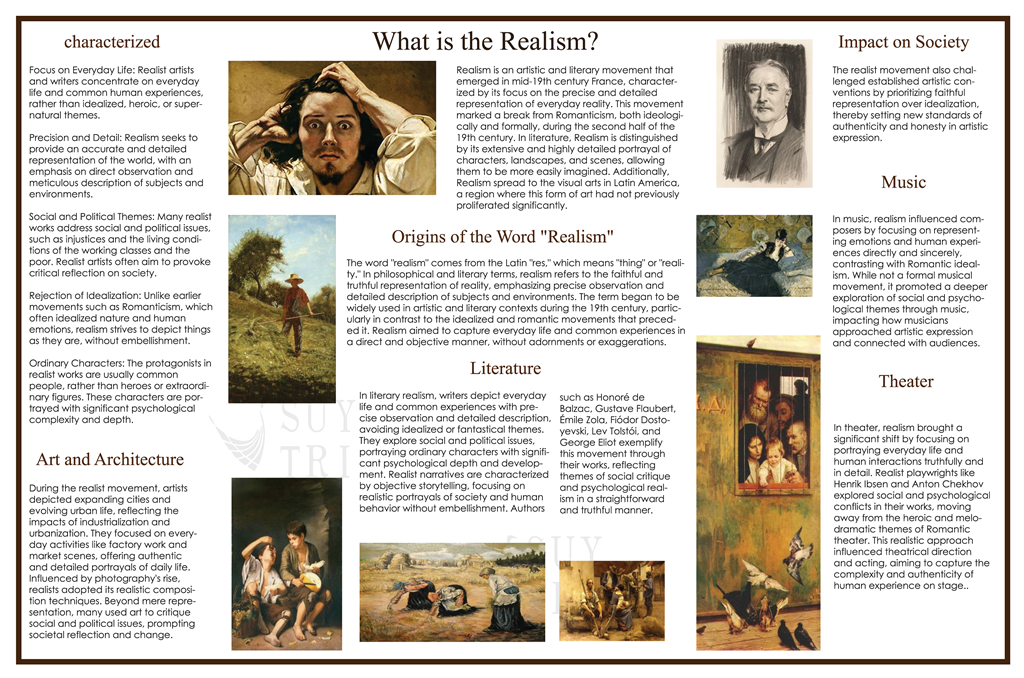
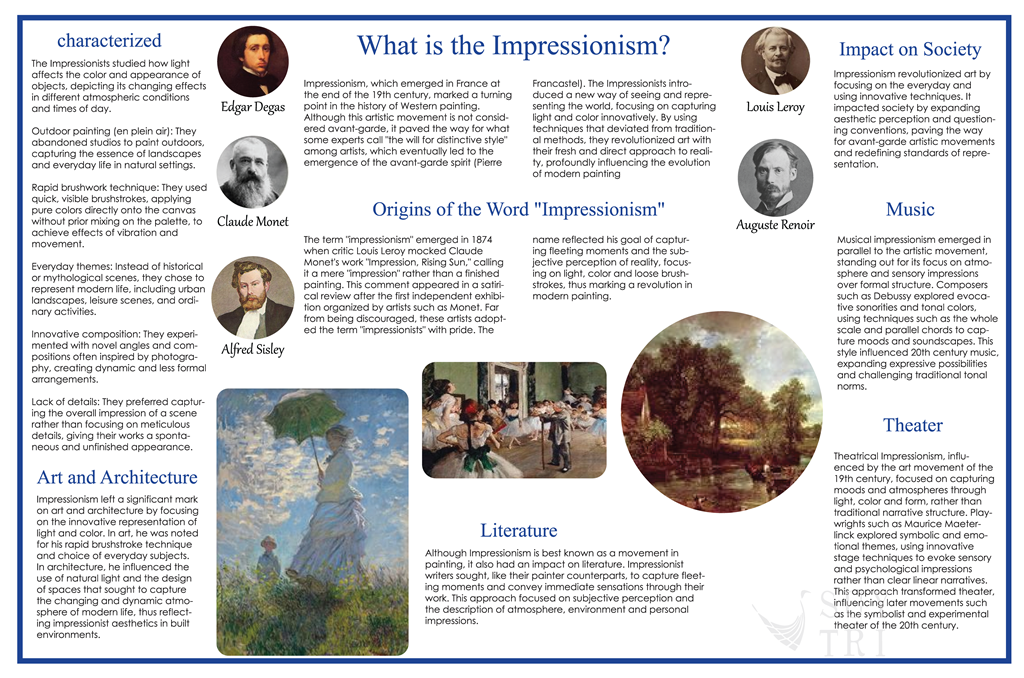
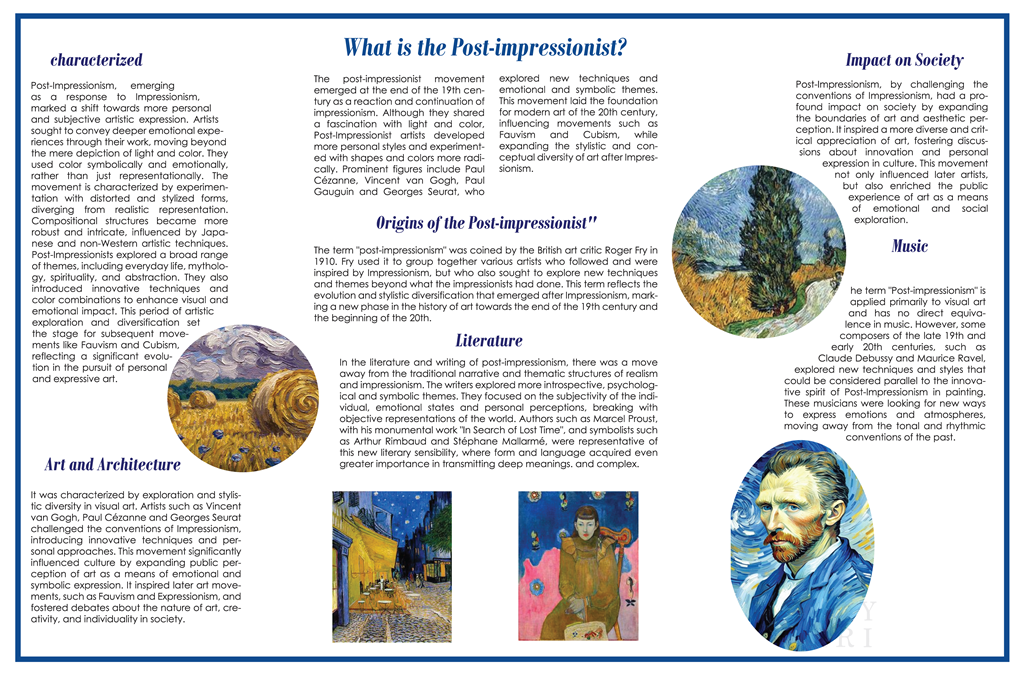
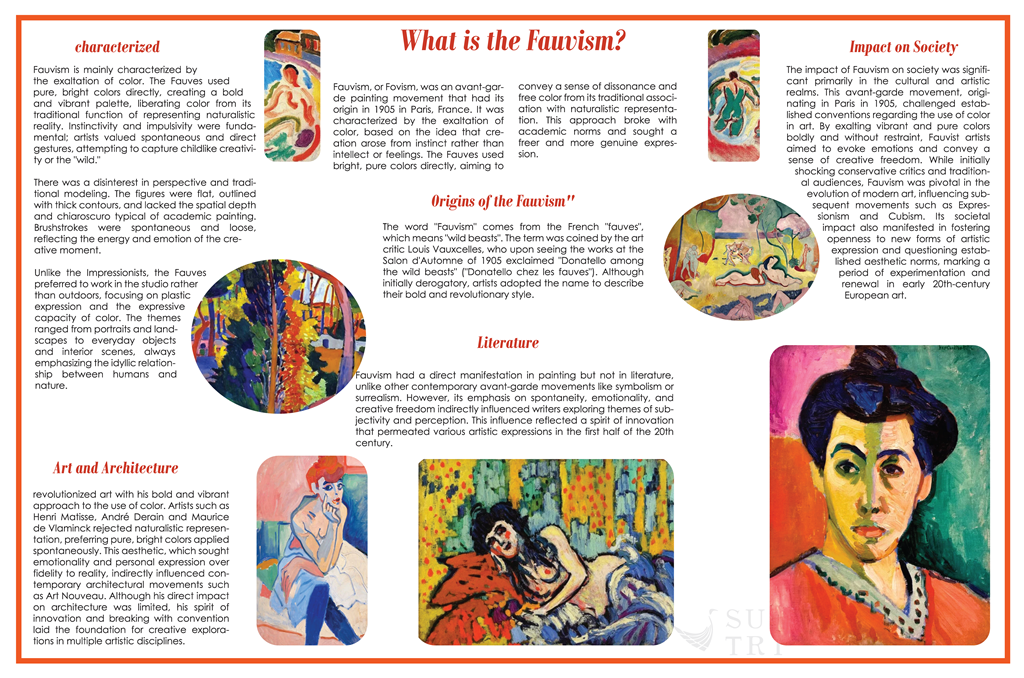
Hello, art enthusiasts! Today, we’re diving into the fascinating world of Abstractism, a movement that broke away from traditional forms to express essence and emotion through pure colors and shapes. Born in the early 20th century, this revolutionary style invited artists to explore new dimensions of creativity. Join me in discovering how Abstractism transformed the way we see and feel art.
Kandinsky, often hailed as the father of Abstract art, believed in the spiritual power of color and form. His work, inspired by music and emotion, sought to convey feelings rather than depict the visible world. Kandinsky's innovative approach paved the way for modern abstract expression.
- Composition VII (1913)
- Yellow-Red-Blue (1925)
- On White II (1923)
Mondrian's journey into abstraction led him to develop a unique style called Neoplasticism, characterized by simple geometric shapes and primary colors. His quest for harmony and balance in art was driven by his spiritual beliefs and desire to find universal beauty.
- Composition with Red, Blue, and Yellow (1930)
- Broadway Boogie Woogie (1942-1943)
- Victory Boogie Woogie (1942-1944)
Malevich's radical approach to abstraction culminated in the creation of Suprematism, emphasizing basic geometric forms and pure color. He aimed to break free from the constraints of reality, focusing on the supremacy of pure artistic feeling.
- Black Square (1915)
- White on White (1918)
- Suprematist Composition (1916)
Pollock revolutionized Abstract Expressionism with his iconic drip paintings, where he poured and splattered paint onto canvases. His dynamic and chaotic style captured raw emotion and movement, making him a pivotal figure in post-war American art.
- No. 5, 1948 (1948)
- Blue Poles (1952)
- Autumn Rhythm (Number 30) (1950)
Rothko's large, luminous color field paintings sought to evoke deep emotional responses. He believed in the power of color to convey profound human experiences and aimed to create a meditative, spiritual atmosphere in his work.
- No. 61 (Rust and Blue) (1953)
- Untitled (Black on Gray) (1970)
- Orange, Red, Yellow (1961)
Miró's playful and imaginative abstractions combined elements of Surrealism and Abstract art. His vibrant use of color and organic shapes created a unique visual language that expressed his dreams and subconscious thoughts.
- The Harlequin's Carnival (1924-1925)
- Blue II (1961)
- Women and Birds at Sunrise (1946)