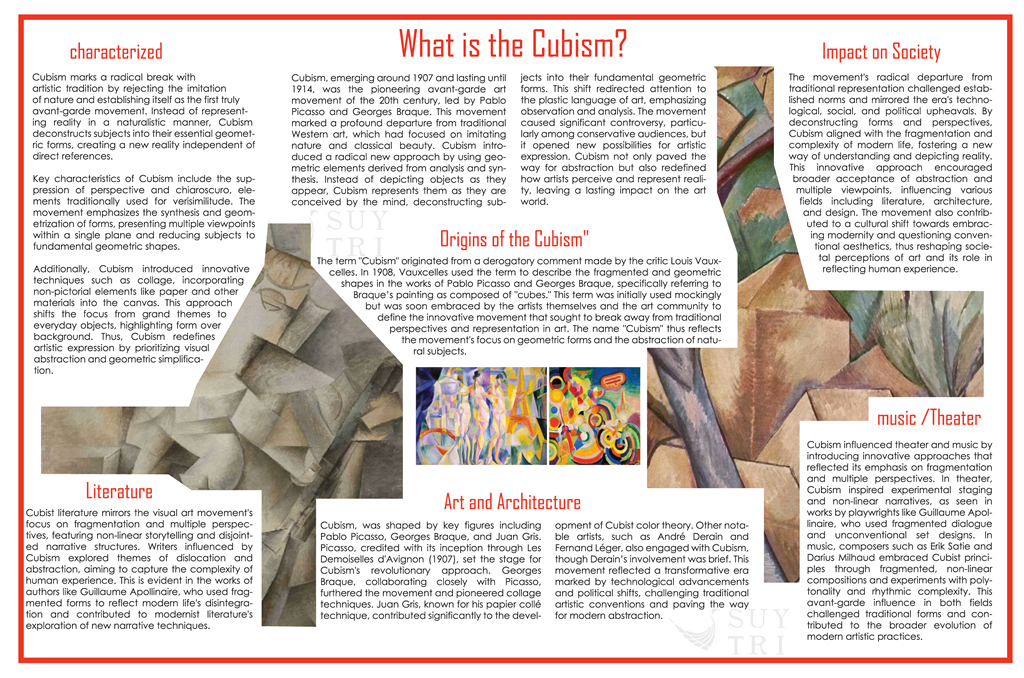
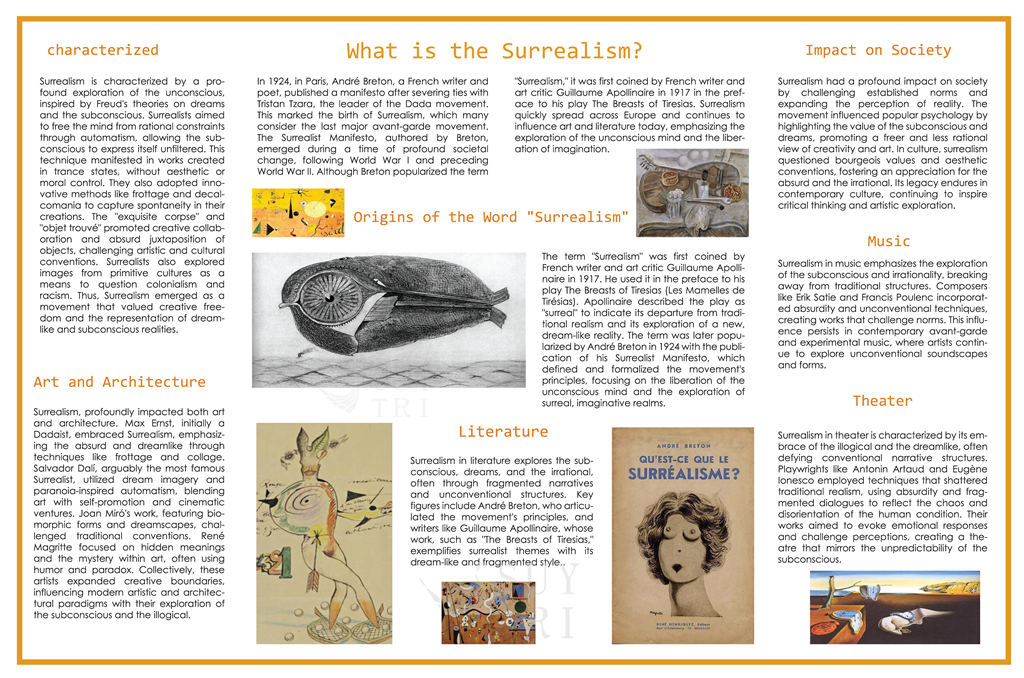

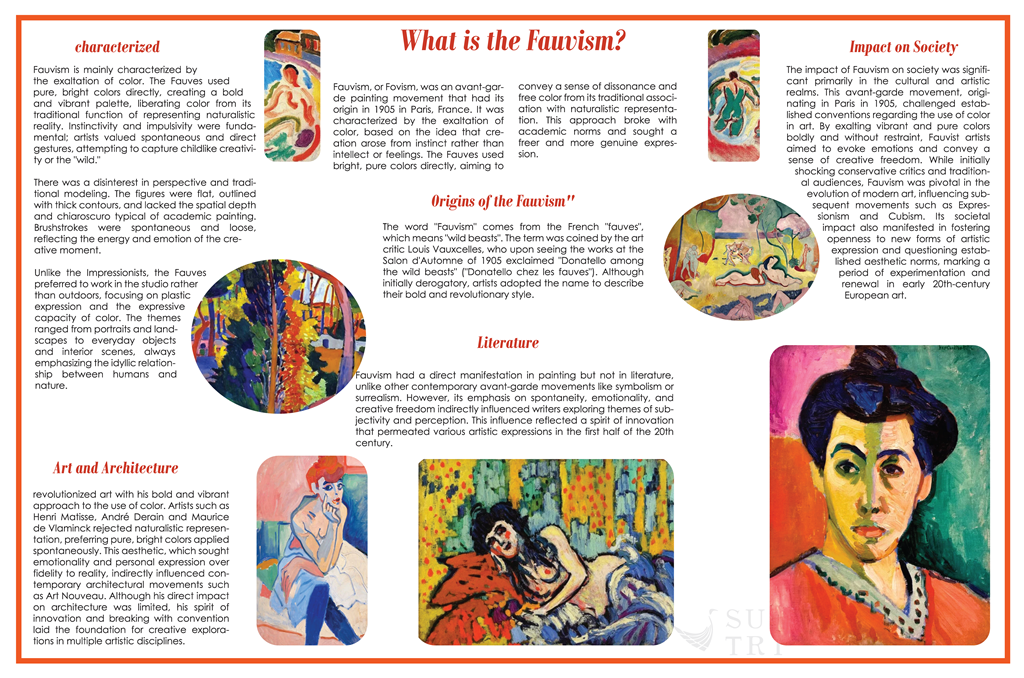
Fauvism
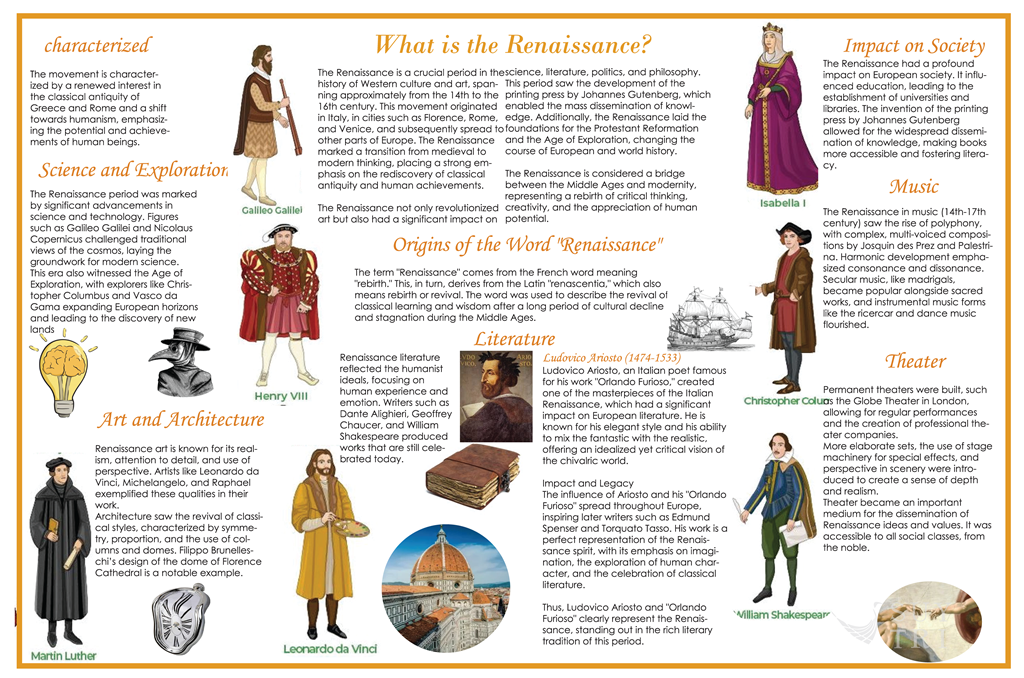
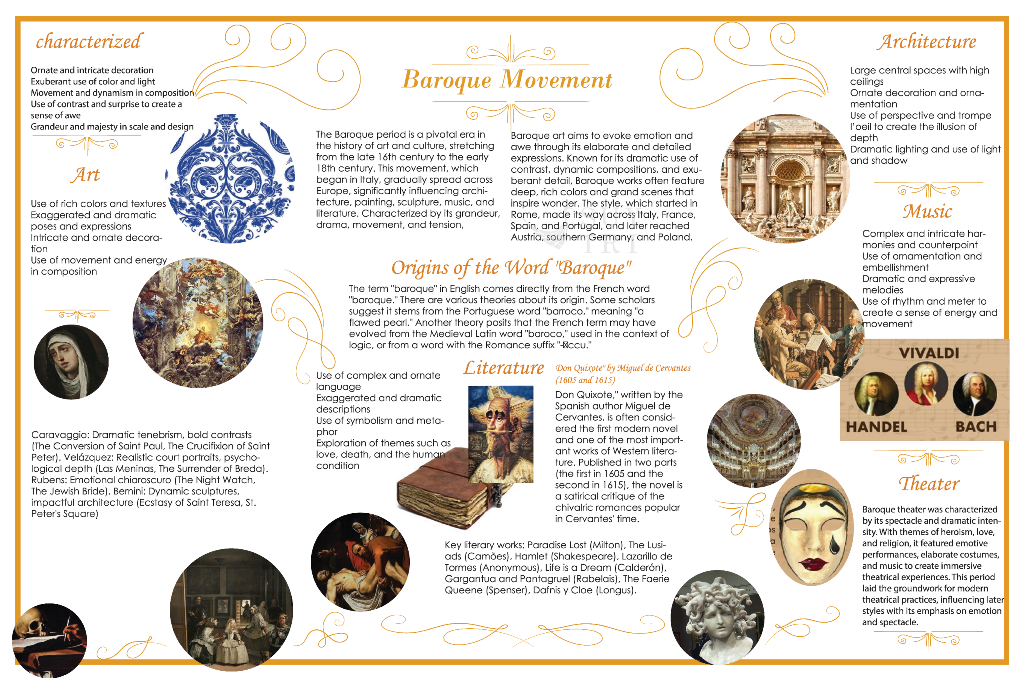
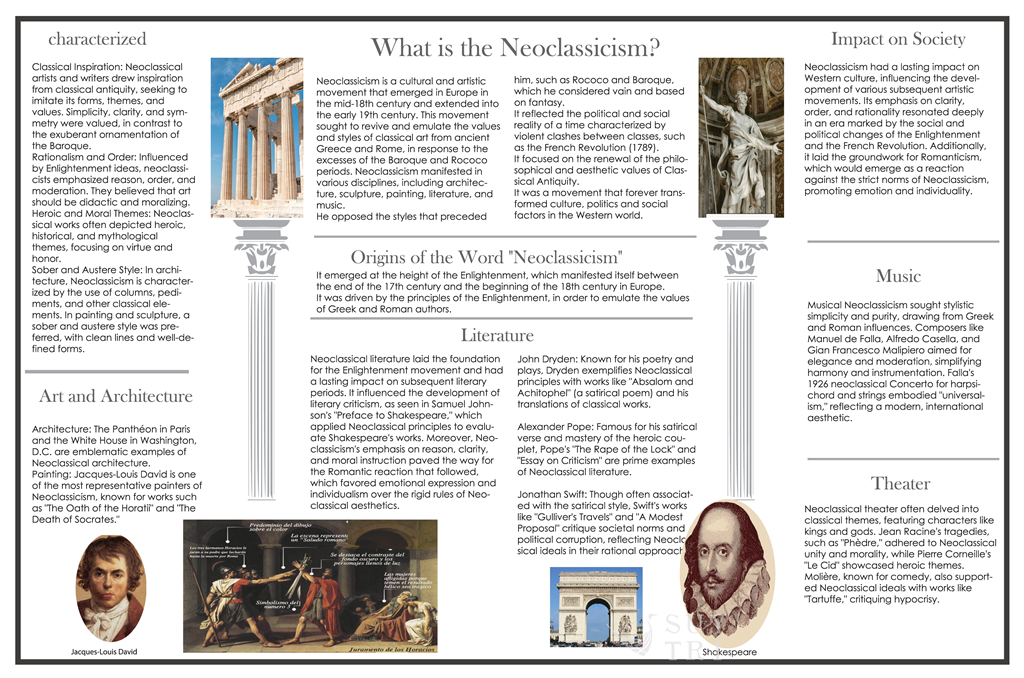
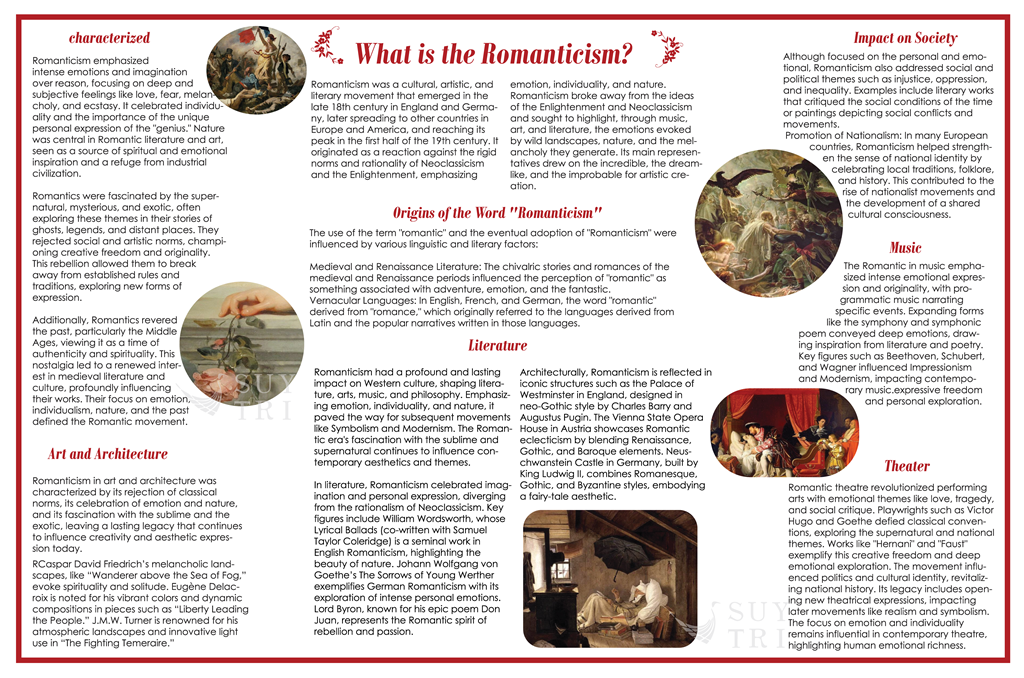
Hello, art enthusiasts! Today we dive into the vibrant world of Fauvism, a movement that broke the mold with its bold use of color and emotion. Imagine a style that prioritizes expression over exact representation, where intense colors and simplified forms tell powerful stories. Join me in discovering how the Fauves transformed painting with their unparalleled energy and innovative approach.
Matisse revolutionized art with his vibrant color palettes and fluid forms, defining the Fauvist movement. His works are celebrated for their boldness and emotional depth, capturing the essence of human experience with a simplicity that feels both timeless and innovative. Matisse's fearless use of color and form made him a central figure in modern art.
- The Joy of Life (1905)
- Woman with a Hat (1905)
- The Red Studio (1911)
Derain played a pivotal role in the Fauvist movement with his dynamic use of color and energetic brushwork. His paintings burst with vivid hues and dramatic contrasts, capturing the vitality and intensity of the modern world. His groundbreaking approach helped define Fauvism and influence future artistic directions.
- The Turning Road, L'Estaque (1906)
- Charing Cross Bridge (1906)
- Portrait of Madame Derain (1906)
Vlaminck's vibrant, thickly applied paint and bold colors embody the Fauvist spirit. His works are characterized by their spontaneous brushwork and emotional intensity, reflecting his passion for capturing the raw beauty of the world. Vlaminck's innovative approach made him a key player in this groundbreaking movement.
- The River Seine at Chatou (1906)
- The Houses at l'Estaque (1906)
- Red Trees (1906)
Van Dongen's Fauvist paintings are renowned for their striking use of color and bold, expressive lines. His work often features vivid portraits and glamorous scenes, blending vivid hues with a modern sensibility. His unique style and vibrant portrayals helped cement his place in the Fauvist movement.
- Woman with a Hat (1906)
- The Blue Face (1906)
- The Spanish Dancer (1920)
Dufy's work is celebrated for its joyful, colorful depictions of modern life and landscapes. His Fauvist paintings are marked by their bright colors and rhythmic brushwork, capturing the essence of leisure and elegance in a vibrant, engaging manner. Dufy's unique style made a lasting impact on the art world.
- The Harbour of Le Havre (1906)
- The Circus (1920)
- View of the Bay of Deauville (1926)
Braque's early work in Fauvism, characterized by its bold color and innovative composition, was crucial in shaping the movement. His exploration of color and form laid the groundwork for his later development of Cubism, demonstrating his role as a pioneering force in modern art.
- Houses at L'Estaque (1908)
- Man with a Pipe (1911)
- Violin and Candlestick (1910)