
Expressionism
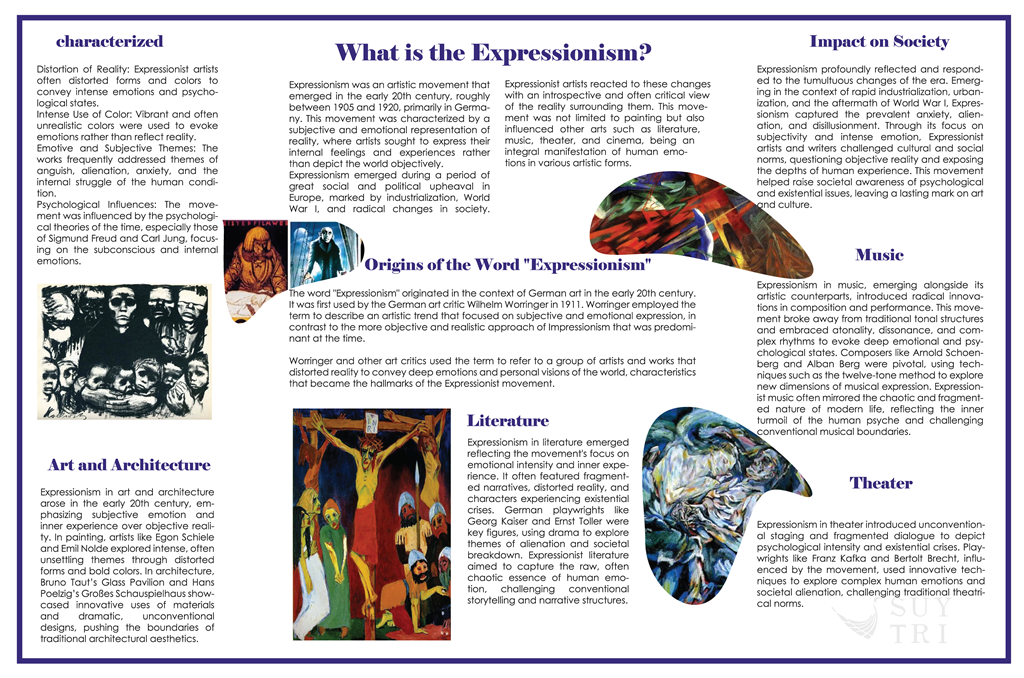
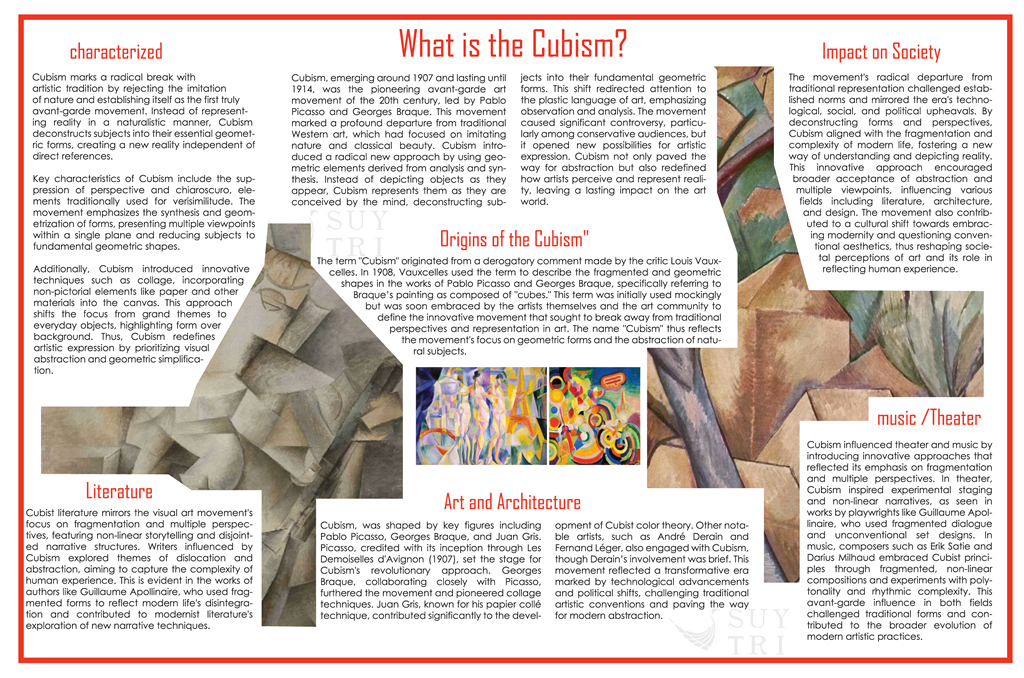
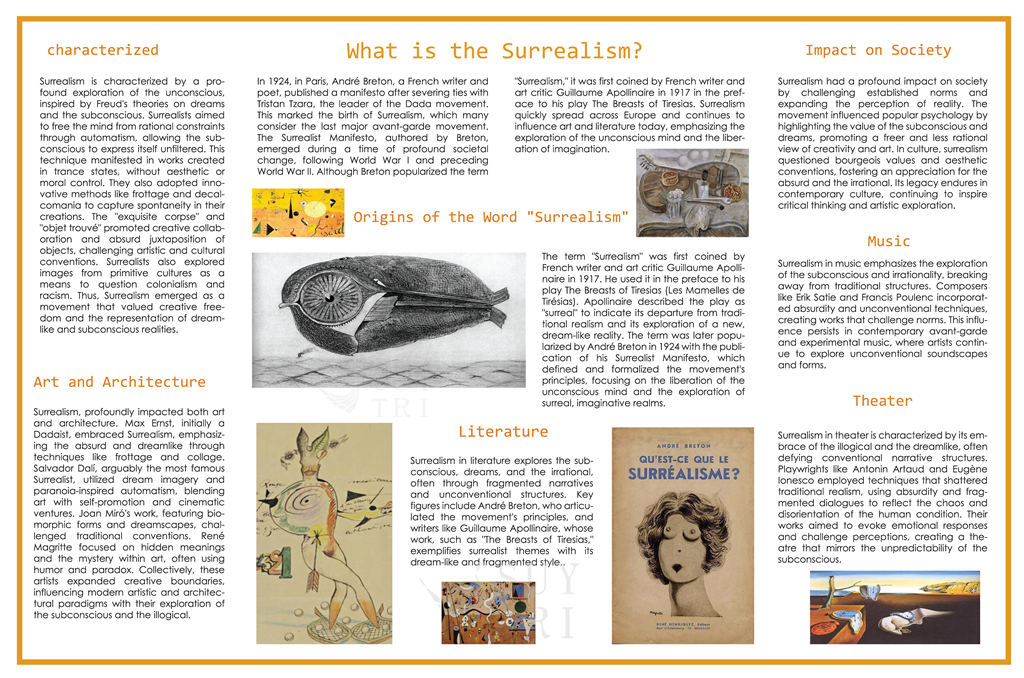
Hello, art enthusiasts! Today, we dive into the captivating world of Expressionism, a movement that challenges reality to capture emotional intensity. Get ready to immerse yourself in vibrant, visceral art that transforms inner experiences into an explosion of color and form. Let’s discover how the Expressionists broke boundaries and expressed the depths of the human soul!
Munch’s art is celebrated for its raw emotional power and exploration of existential themes. His iconic works delve into the depths of human anxiety and desire, using intense colors and dramatic compositions to convey profound psychological states. Munch's unique approach to capturing the human condition made him a leading figure in Expressionism.
- The Scream (1893)
- The Madonna (1894-1895)
- The Dance of Life (1899-1900)
Kandinsky, a pioneer of abstract art, used vibrant colors and dynamic forms to express the inner emotional and spiritual world. His innovative approach to non-representational art aimed to evoke a visceral response from viewers, making him a central figure in the Expressionist movement.
- Composition VII (1913)
- Improvisation 31 (Sea Battle) (1913)
- Yellow-Red-Blue (1925)
Marc’s art is renowned for its use of bold colors and symbolic forms to represent the emotional essence of his subjects. His depictions of animals and landscapes, infused with a spiritual and mystical quality, captured the turbulent emotional landscape of his time, establishing him as a key player in Expressionism.
- The Large Blue Horses (1911)
- Fate of the Animals (1913)
- The Tiger (1912)
Kirchner’s work is characterized by its energetic brushstrokes and striking use of color to convey modern urban life and existential angst. His vibrant, sometimes dissonant compositions reflect the anxieties and vitality of early 20th-century society, making him a pivotal figure in the Expressionist movement.
- Street, Dresden (1908)
- The Red Tower (1914)
- Self-Portrait as a Soldier (1915)
Nolde’s art is known for its powerful emotional content and innovative use of color and form. His expressive, often turbulent paintings and prints explore themes of spirituality, conflict, and human emotion, establishing him as a significant force within Expressionism.
- The Last Supper (1909)
- Dance Around the Golden Calf (1910)
- Prophet (1912)
Macke’s vibrant, colorful works are celebrated for their joyful and harmonious depictions of modern life. His use of bright colors and simplified forms reflects a unique vision of Expressionism that captures the essence of the early 20th-century spirit, making him a notable figure in the movement.
- The Farewell (1914)
- Woman with Umbrella (1910)
- Turkish Market (1914)